
Air Jordan Must-Know Cleaning and Care Tips to Keep Your Kicks In Top Shape
You just paid $200 or more on a pair of Air Jordans — so the absolute last thing you desire is for them to look beat up after just weeks of wear. Regular maintenance and cleaning is what differentiates the wearer whose Air Jordans still look brand new after six months from the wearer whose kicks appear as if they were dragged through mud. The positive thing is that looking after your Air Jordans doesn’t call for costly supplies or professional assistance; it just requires regular effort and the proper method for each material type. In this walkthrough, we’ll walk you through step by step how to clean all types of Air Jordan — leather, suede, nubuck, mesh, patent leather — and how to house them so they stay in top condition for years. This advice come from years of trial and error, exchanges with shoe restoration experts, and the shared knowledge of sneaker groups around the globe. Stick to this guide, and your collection will look retail-ready long after the original purchase.
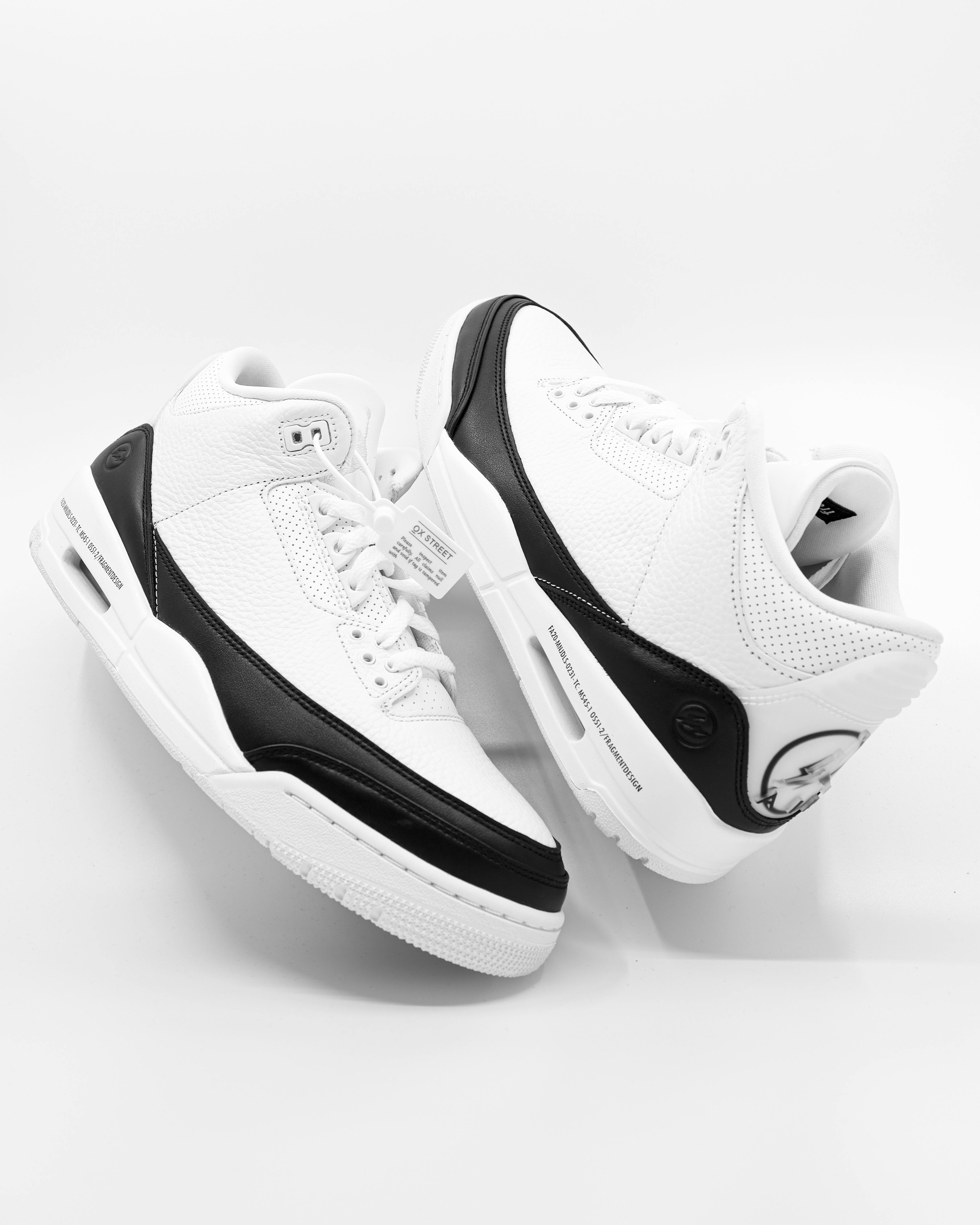
Essential Cleaning Supplies You Actually Need
Before you start on your Jordans with any tool, let’s talk about the items that actually work. A high-quality sneaker cleaner like Jason Markk or Reshoevn8r is worth the $15 to $18 cost because these cleaners pull out grime without harming surfaces or dissolving adhesives. You’ll require at least two cleaning brushes: a fine-bristle brush for soft uppers and upper panels, and a stiffer brush for soles nike jordans where harder scrubbing is needed. Microfiber towels are indispensable — common cotton towels deposit lint and can damage specific finishes, while microfiber draws out water efficiently. A basin of tepid water (never hot, which can distort adhesives and tighten leather) is your preparation base. For tougher midsole discolorations, a melamine foam sponge is highly effective on scuffs and yellowing without harsh chemicals. Have a toothbrush-sized precision brush for cleaning inside stitching lines, eyelets, and small gaps around the shoe tongue.
Detailed Guide to Cleaning Smooth Leather Air Jordans
Full-grain leather is the most common material across the Air Jordan collection, found on shoes like the Jordan 1, Jordan 4, and Jordan 12, and luckily it’s also the most cooperative fabric to wash. Begin by removing the shoelaces entirely — throw them into a compact mesh bag and put them through a light machine wash cycle, or manually wash them with a drop of mild soap and warm water. Wet your gentle brush into the cleaning solution mixed with lukewarm water and scrub the leather in tight, swirling motions, focusing on one section at a time to achieve even coverage. Stay away from drenching the leather — you should have the brush slightly wet, not soaked, because excess water can produce water spots and could damage the cushioning underneath. Clean each section with a clean, damp microfiber cloth straight after brushing to remove the loosened grime and cleaning solution residue. Once the whole shoe is treated, pack it loosely with acid-free tissue or a shoe tree to hold shape while drying at room temperature at ambient temperature, protected from direct sunlight or radiators that can damage and yellow leather. For an additional layer of protection after maintenance, spray on a thin coat of leather treatment or Jason Markk Repel spray to form a water-repellent barrier that resists water and dirt between cleanings.
How to Care for Suede, Nubuck, and Other Fabrics
Suede and nubuck require a fundamentally different technique than full-grain leather because water is their worst enemy — putting wet soap solution directly to raw suede can produce permanent water marks and compromise the fine nap. Your first step should always be by using a clean and dry dedicated suede brush to brush away surface dirt and reset the nap texture before applying any solution at all. When cleaning is necessary, use a specific suede cleaning product sprayed gently to the brush instead of directly to the shoe, stroking in gentle back-and-forth strokes that follow the nap direction of the suede. For tough stains on nubuck (typical for models like the Air Jordan 5 and certain Jordan 4 editions), a suede eraser block can remove stains without adding any moisture to the fabric. Shiny patent, showcased on the legendary Air Jordan 11, needs its own method: wipe with a slightly wet soft cloth and mild soap, then rub to a shine with a separate dry microfiber cloth, staying away from any stiff tools that will scuff the glossy finish permanently. Mesh and knit materials, progressively common in modern Jordan shoes and the Jordan Max Aura series, can be cleaned with a diluted cleaner and gentle brush, but should never be dunked or machine washed as this can deform the engineered form. Without exception test any technique on a discreet, out-of-sight area first — the tongue interior or the rear panel — before committing to the entire shoe.
Midsole and Outsole Restoration Techniques
Discolored midsoles are the curse of every Jordan owner’s existence, and while complete prevention is out of the question, solid techniques can retard and reverse the aging process. For light yellowing, a paste of baking soda and hydrogen peroxide applied to the midsole and activated under UV light for 3 to 4 hours yields clearly whiter improvements. Aggressive yellowing on translucent outsoles — common with the Air Jordan 11, 5, and 6 — responds well to Salon Care 40 Volume Clear developer, applied and wrapped in plastic wrap under direct sunlight for one to two sessions. Be sure to prep the outsole thoroughly before restoring, grabbing a stiffer brush to clear lodged dirt from grip channels. For scuffs on coated midsoles, a melamine foam block lightly wet with water removes scuffs without damaging the paint finish when applied lightly. Crep Protect’s Cure line offers midsole cleaning markers useful for fast spot cleans. Bear in mind that oxidation is inevitable — you can manage it, but completely stopping it would mean keeping them on ice forever.
| Surface Type | Cleaning Method | Recommended Products | Avoid |
|---|---|---|---|
| Smooth Leather | Damp soft brush + circular motions | Sneaker solution, leather conditioner | Over-wetting, heat drying, strong chemicals |
| Suede / Nubuck | Dry brush first, then minimal moisture | Dedicated suede cleaner, suede eraser | Liquid application, washing machine, coarse brushes |
| Patent Leather | Soft damp cloth + gentle buffing | Light detergent, microfiber wipe | Harsh brushes, strong solvents, rough fabrics |
| Mesh / Knit | Gentle brush using watered-down cleaner | Shoe cleaner, gentle bristle brush | Dunking, machine washing, squeezing |
| Midsole (white) | Stiffer brush plus whitening product | Baking soda paste, melamine eraser | Bleach, acetone-based products, aggressive scouring |
| Outsole (icy/clear) | UV-triggered sole brightening | Salon Care 40 developer, Sole Bright | Too much UV, oven-based heating |
Storage Best Practices for Long-Term Freshness
How you store your Air Jordans is as critical as how you wash them, above all if you’re creating a rotation or storing pairs unworn for future wear. OG boxes suffice for brief storage, but for long-term conservation, clear stackable shoe boxes give superior shielding while leaving your shoes visible. Always insert wooden shoe trees or archival tissue to hold structure and absorb leftover dampness — don’t ever put away shoes that are wet. Silica gel packs put inside each pair and storage box prevent the dampness that speeds up discoloration, adhesive breakdown, and mold. House your pairs in a climate-controlled space — optimally between 60°F and 75°F with relative humidity below 50% — not using garages, the attic, and the basement where conditions are unpredictable. Store sneakers away from sun exposure because UV rays cause lasting fading and hasten aging of translucent outsoles within weeks. For prolonged preservation, inspect pairs every two to three months to flex the midsole and inspect for sole separation.
A Quick Cleaning Ritual After Every Single Wear
The single most effective habit for keeping your Air Jordans looking new is a fast two-minute cleaning routine done immediately after every occasion you slip them off. Use a clean dry soft-bristle brush to brush off any surface dust and debris from the top section, paying close care to the toe box and heel section where dirt collects soonest during wear. Wipe the midsole with a barely wet microfiber rag to clear any smudges or buildup before they have a chance to set and grow tougher to eliminate. Inspect the outsole and pick out any pebbles, glass, or debris lodged in the sole grooves — tiny pebbles can slowly erode the rubber if ignored over repeated wears. If you stepped in water or puddles, insert into the kicks with newspaper or tissue to draw out internal moisture, then let them air dry for at least 12 hours before putting them back on. Slightly untie the sneakers partially to relieve pressure on the eyelets and collar padding, which enables them to maintain their form over hundreds of wears. This basic routine, carried out without fail, reduces the frequency of intensive cleanings from weekly to monthly and keeps your Jordans seeming as though they just came off the Nike SNKRS shelf every time you lace them up.

